Figure it out. Build it. Ship it.
The way we approach every engagement, regardless of whether it ends in a 200-page evaluation, a custom agent, or a multi-tenant platform shipped to production. Borrowed from a long arc of work that started before Yikes Dude. Refined across three platforms in production.
Figure it out.
We sit with your operators for sixty to ninety minutes per workflow. Not the executive walk-through. The actual work, screen-shared. We pay attention to what people tab into when they think no one is watching, spreadsheets, group chats, that one document that everyone secretly relies on.
Then we score what we found, systems, vendors, processes, and data, against where AI and custom software actually move the needle. We map the build-vs-buy calls explicitly and we are honest about where we are not the right fit. You come away with a stakeholder map, a workflow inventory, and a quick-wins shortlist with budgets. No code yet, just a clear picture of the friction.
What we ask
- 01“Walk us through a normal Tuesday, what consumes the morning?”
- 02“Where does this team copy-paste between two tools?”
- 03“Where is the data clean enough for an agent to act on it?”
- 04“Build, buy, or rent?”
Build it.
We ship a thin slice in week one. One agent, one workflow, observable. Real data, a real evaluation harness catching drift. Two-week vertical slices from there. Every slice ends with something live in staging that you can click.
No slide decks standing in for software. No prototype that dies in a demo. The deliverables ratchet up slice by slice, orchestration layer, eval harness, the surfaces your team actually touches.
What we ask
- 01“What is the smallest thing we can ship in week one?”
- 02“How will we know it is working, and what triggers a kill switch?”
- 03“What is the quickest path from a thin slice to real adoption?”
Ship it.
By week six there is a thing in production, with real users, with the seatbelt of an evaluation suite catching drift. We hand off with observability, runbooks, and a relationship for the next phase. No black boxes.
If we’re the wrong long-term partner for a piece of the work, we tell you which studio or vendor to call next. The point was never to keep you dependent. The point is to leave you with something that works.
What we ask
- 01“Who owns it after we leave?”
- 02“What does done look like, six weeks in?”
Where it lands
The same method, three destinations.
Figuring it out looks the same no matter who you are. Building is where engagements diverge. We have shipped all three, and we will tell you in week one which one your problem actually needs.
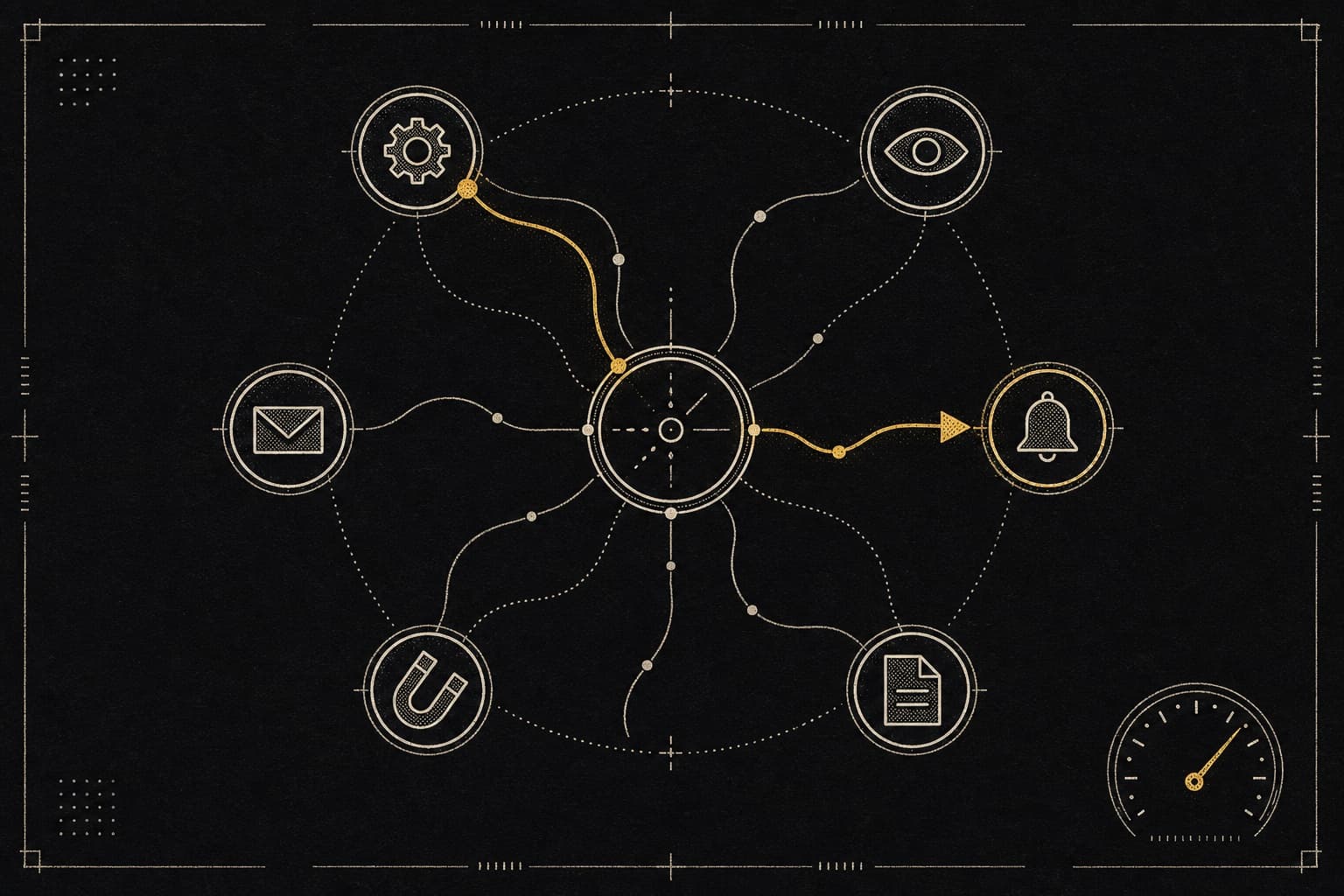 Outcome A
An agent system
Agents that read your data and act on it, wrapped in an orchestration layer and an eval harness so they keep earning trust in production.
The AI integration track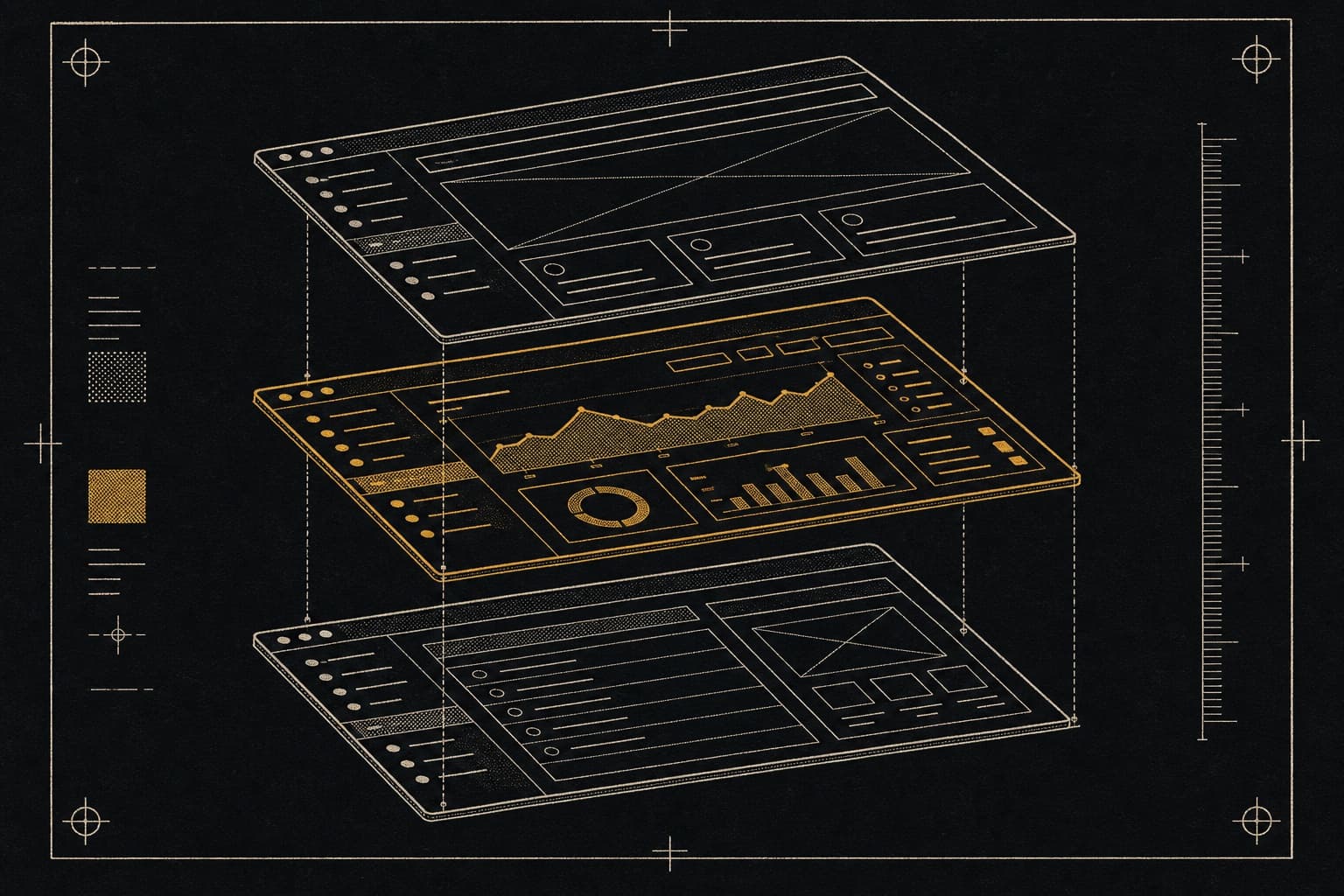 Outcome B
Custom software
A real app or platform, shipped and operated. Web, mobile, internal tooling, multi-tenant where it matters. Not a prototype that dies in staging.
The custom build track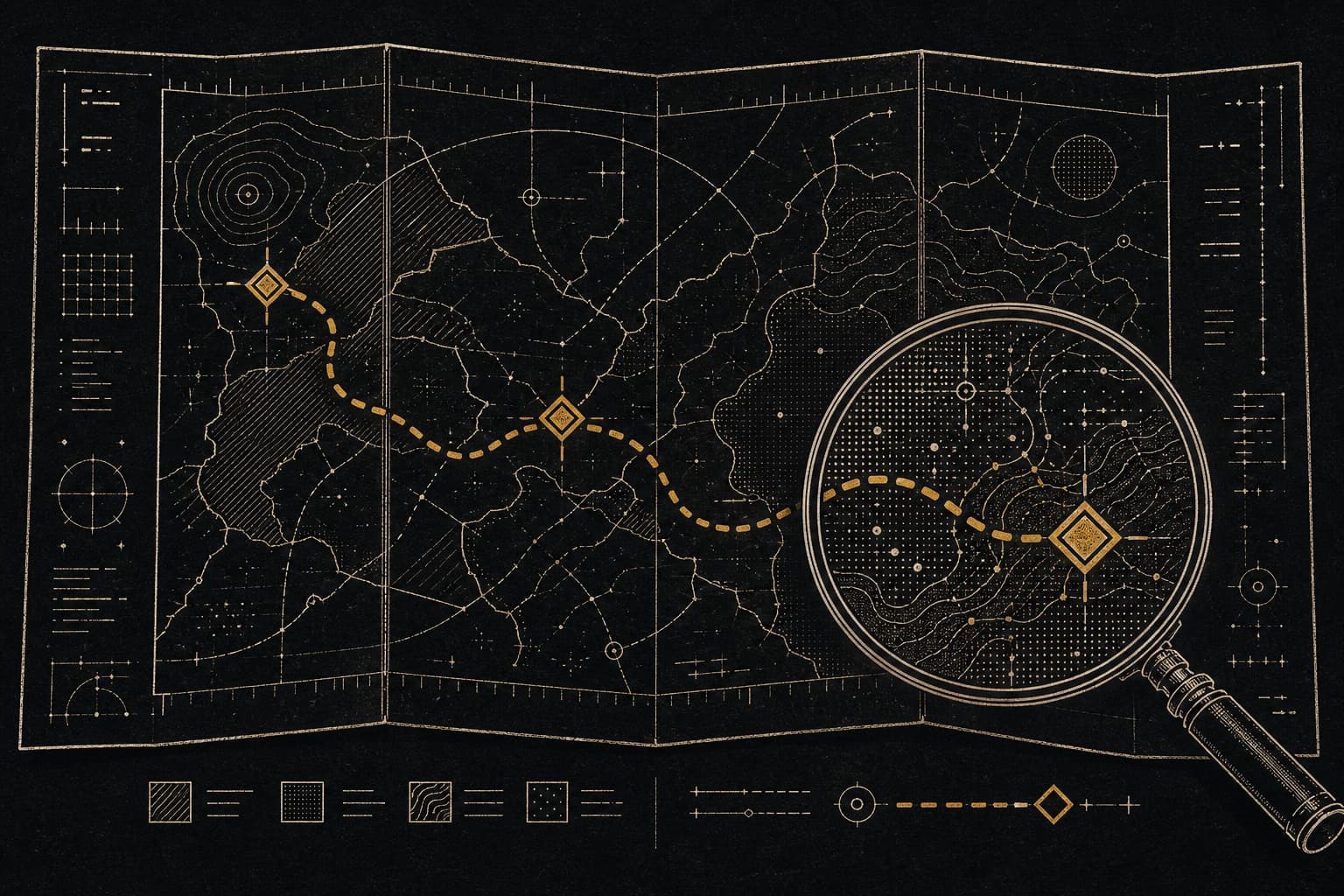 Outcome C
A strategic evaluation
A 100 to 250 page operational scan with a phased plan, build-vs-buy calls, and budgets. For when you need the map before anyone writes code.
The evaluation track
Want this run on your business?
Tell us what is broken. The first week is on us to scope.
Just want to learn it yourself? Claude training 1:1 →